


When Should You See a Vascular Doctor and What is a Varicose Vein Specialist Called?
- Freddy Decker
- Oct 10, 2024
- 4 min read

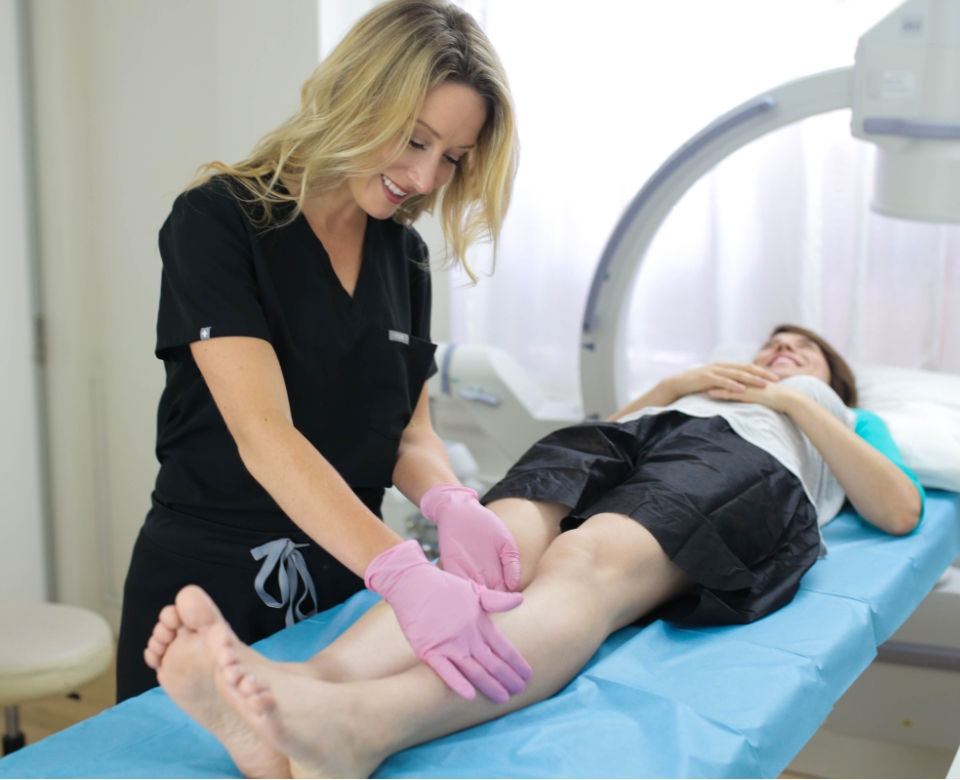
Understanding the importance of vascular health is essential for overall well-being. Your circulatory system, which includes arteries, veins, and lymphatic vessels, ensures that blood, oxygen, and nutrients reach all parts of your body. However, when this system doesn't function properly, it can lead to serious health conditions. But how do you know when to see a vascular doctor? Additionally, what is a varicose vein specialist called? Let’s explore these important questions and understand more about vascular health.
What is a Vascular Doctor?
A vascular doctor, also known as a vascular surgeon, is a medical professional who specializes in diagnosing and treating conditions affecting the vascular system. This system includes your veins, arteries, and lymphatic vessels. Vascular doctors manage both surgical and non-surgical treatments for conditions like aneurysms, blood clots, varicose veins, and peripheral artery disease.
What Does a Vascular Doctor Treat?
Vascular doctors address a wide range of circulatory issues. Some common conditions include:
Varicose Veins and Spider Veins: These are enlarged, twisted veins that often occur in the legs. While typically a cosmetic concern, varicose veins can lead to discomfort and more serious complications like ulcers or blood clots if untreated.
Peripheral Artery Disease (PAD): This condition involves narrowed arteries that reduce blood flow to your limbs, often leading to pain or discomfort in the legs while walking.
Deep Vein Thrombosis (DVT): A blood clot in a deep vein, usually in the legs, can be life-threatening if the clot breaks free and travels to the lungs, causing a pulmonary embolism.
Aneurysms: Weak spots in the walls of your arteries that can bulge or burst, leading to dangerous internal bleeding.
Vascular doctors play a crucial role in preventing and treating these conditions. But when is the right time to see a vascular specialist?
When Should You See a Vascular Doctor?
Recognizing when to see a vascular doctor can be the key to preventing more serious complications. You should consider consulting a vascular specialist if you experience any of the following symptoms:
1. Leg Pain or Swelling
Pain, cramping, or swelling in the legs, especially after walking, could indicate a problem with blood flow. Conditions like PAD, DVT, or chronic venous insufficiency often cause these symptoms. A vascular doctor can assess the cause and recommend the appropriate treatment, which might include medication, lifestyle changes, or surgery.
2. Varicose or Spider Veins
While varicose veins are often considered a cosmetic issue, they can lead to discomfort, aching, or even more severe conditions if left untreated. If you notice bulging, discolored veins in your legs or experience itching, burning, or heaviness in the affected area, it’s time to see a vascular doctor.
3. Non-Healing Wounds or Ulcers
Wounds, especially on the legs, that take a long time to heal could be a sign of poor circulation. These ulcers often develop when blood pools in the legs due to venous insufficiency. If left untreated, they can become infected and lead to serious complications. A vascular doctor can provide treatments to promote healing and improve blood flow.
4. Numbness or Weakness in the Limbs
If you experience numbness, tingling, or weakness in your arms or legs, it could be a sign of a vascular problem. Conditions like PAD restrict blood flow to the extremities, leading to symptoms that worsen over time. Early intervention by a vascular specialist can help improve circulation and prevent more severe issues.
5. Cold or Discolored Limbs
If your limbs feel cold to the touch or appear blue or pale, it could indicate poor circulation. Reduced blood flow due to vascular issues can cause this, and immediate medical attention may be necessary. A vascular doctor can diagnose the problem and recommend treatments to restore healthy circulation.
6. Family History of Vascular Disease
If you have a family history of vascular disease, you may be at a higher risk of developing conditions like varicose veins, PAD, or aneurysms. In this case, it's a good idea to consult a vascular doctor even if you’re not currently experiencing symptoms. Regular check-ups can help detect potential issues early and prevent complications.
What is a Varicose Vein Specialist Called?
Now that we’ve covered when to see a vascular doctor, let's answer the question, "What is a varicose vein specialist called?"
A varicose vein specialist is typically called a phlebologist. Phlebologists are medical professionals who specialize in the diagnosis and treatment of vein disorders, particularly those related to varicose and spider veins. While phlebologists focus on venous issues, a vascular surgeon can also treat varicose veins, especially in more severe cases where surgical intervention is necessary.
Phlebologists often use non-invasive treatments like sclerotherapy or laser therapy to treat varicose veins. These treatments are designed to close off or remove the problematic veins, allowing blood to reroute through healthier veins. For more severe cases, vascular surgeons may perform procedures like vein stripping or endovenous laser therapy (EVLT).
When to See a Phlebologist?
While phlebologists treat vein-specific issues, knowing when to seek their expertise is just as important as consulting a vascular doctor. You should see a phlebologist if:
You have painful or swollen varicose veins.
Your varicose veins are causing skin changes, such as discoloration or sores.
You’re concerned about the appearance of spider veins.
Phlebologists are well-versed in minimally invasive treatments, which can significantly improve your quality of life if you’re struggling with venous issues.
Treatment Options for Varicose Veins
Varicose vein treatment depends on the severity of the condition and the patient’s preferences. Some common treatments include:
Sclerotherapy: A solution is injected into the varicose veins, causing them to collapse and fade over time.
Laser Therapy: This non-invasive treatment uses laser energy to target and close off varicose veins.
Endovenous Laser Therapy (EVLT): A catheter is inserted into the vein, and laser energy is used to seal the vein shut.
Surgical Options: In more severe cases, surgical removal of the veins may be necessary.
Conclusion
Understanding when to see a vascular doctor and what a varicose vein specialist is called can be vital to maintaining your vascular health. Whether you’re experiencing leg pain, varicose veins, or other circulatory issues, a vascular doctor or phlebologist can provide the appropriate treatment to restore your health. Don’t wait for symptoms to worsen—early intervention can prevent complications and improve your overall quality of life.


Comments