


What Are the Benefits of Seeing a Vein Specialist?
- Freddy Decker
- Sep 11, 2024
- 5 min read

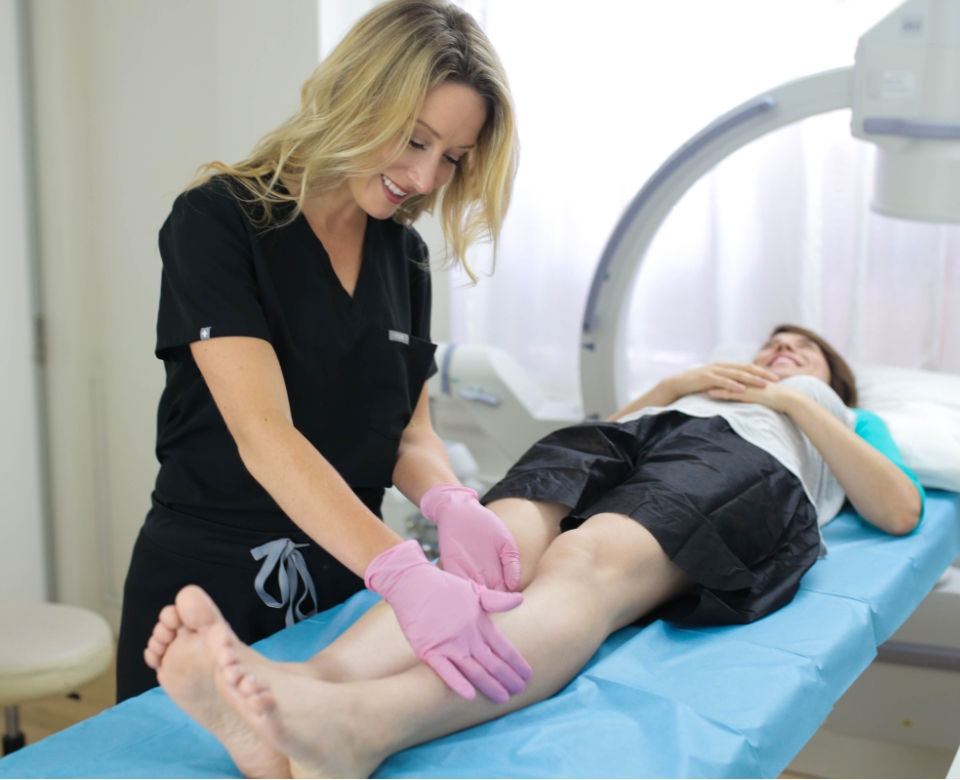
Vein health is essential for overall well-being. Many people experience issues with their veins but are unsure who to consult for help. Whether you're dealing with spider veins, varicose veins, or more severe venous disorders, seeking the right medical advice is crucial. But what kind of doctor treats veins? In this article, we’ll explore the different types of vein specialists, the benefits of seeing one, and when you should consider making an appointment.
What Is a Vein Specialist Called?
Vein specialists are medical professionals with expertise in diagnosing and treating vein-related conditions. So, what is a vein specialist called? In most cases, these doctors are referred to as vascular surgeons or phlebologists.
Vascular Surgeons
A vascular surgeon is a medical doctor who specializes in the diagnosis and surgical treatment of conditions affecting the vascular system, which includes arteries, veins, and lymphatic vessels. They are highly trained to handle severe cases of vein diseases and can perform surgeries such as vein stripping, endovenous laser therapy, and angioplasty. Vascular surgeons treat a variety of issues, including deep vein thrombosis (DVT), peripheral artery disease (PAD), and severe varicose veins.
Phlebologists
A phlebologist is another type of vein specialist, specifically focused on diagnosing and treating venous conditions. Unlike vascular surgeons, phlebologists often treat vein problems non-surgically. They are experts in procedures like sclerotherapy (a procedure used to eliminate varicose veins and spider veins) and endovenous ablation, a minimally invasive treatment for varicose veins. Phlebologists typically handle less severe vein issues but can refer patients to vascular surgeons if necessary.
What Kind of Doctor Treats Veins?
While both vascular surgeons and phlebologists are commonly referred to as vein specialists, other types of doctors may also treat vein conditions, depending on the severity and complexity of the issue. So, if you’re wondering, what kind of doctor treats veins, here are some additional types of healthcare professionals who can assist you:
Interventional Radiologists
An interventional radiologist is a medical professional who uses imaging technology such as X-rays, ultrasounds, and MRIs to diagnose and treat a range of conditions, including vein problems. They are skilled in minimally invasive procedures, often using catheters and other small instruments to treat varicose veins or other venous conditions. Interventional radiologists typically focus on non-surgical treatments like radiofrequency ablation or foam sclerotherapy.
Dermatologists
In cases of cosmetic vein issues, like spider veins, a dermatologist may be the right doctor to consult. Dermatologists specialize in skin conditions but often treat superficial vein problems using procedures such as laser therapy or sclerotherapy. However, they do not typically treat more severe venous disorders.
Cardiologists
For more serious vein-related issues, such as blood clots or circulation problems that affect the heart, a cardiologist may get involved. Cardiologists specialize in the cardiovascular system, which includes the heart and blood vessels. While they don’t usually focus on veins alone, their expertise is critical for diagnosing and managing conditions that affect both the veins and heart.
Why Should You See a Vein Specialist?
Seeking medical attention from a vein specialist provides several benefits. Whether you’re dealing with mild symptoms like aching legs or more severe concerns like blood clots, a vein specialist can diagnose and offer targeted treatments to improve your condition. Let’s break down some key advantages of seeing a vein specialist:
Expertise in Vein Conditions
A vein specialist has extensive training and knowledge of vein-related disorders. Whether it's a phlebologist or a vascular surgeon, these professionals understand the complexities of venous conditions and can tailor treatment to meet your specific needs. General practitioners may not have the same depth of knowledge in this specialized area, making a vein specialist the best choice for effective treatment.
Access to Advanced Treatments
Vein specialists are up to date on the latest treatments and technologies to address vein problems. These may include minimally invasive treatments like endovenous laser ablation, radiofrequency ablation, and foam sclerotherapy. Not only are these procedures less painful, but they also come with shorter recovery times, making them more appealing options compared to traditional surgery.
Improved Circulation and Overall Health
Healthy veins are critical to proper blood circulation. Venous issues like varicose veins and spider veins can hinder circulation, leading to swelling, pain, and other complications. In more severe cases, untreated vein issues can lead to blood clots or venous ulcers. By seeing a vein specialist, you can improve blood flow, reduce pain, and prevent further complications.
Cosmetic Benefits
Beyond the health risks, many people seek vein treatment for cosmetic reasons. Spider veins and varicose veins can be unsightly, causing people to feel self-conscious about their appearance. Specialists offer treatments that not only relieve pain but also improve the look of your legs. Procedures like sclerotherapy and laser therapy are highly effective in removing unwanted veins and restoring a smoother appearance to your skin.
When Should You See a Vein Specialist?
If you're experiencing symptoms related to your veins, it's important to seek medical advice promptly. But how do you know when it’s time to see a specialist? Here are some key signs that it might be time to make an appointment:
Persistent Leg Pain or Swelling
Chronic leg pain, swelling, or a feeling of heaviness in the legs can indicate venous insufficiency. This condition occurs when veins struggle to send blood back to the heart, often resulting in discomfort and swelling. If you're experiencing these symptoms regularly, a vein specialist can diagnose the issue and suggest treatment.
Visible Varicose Veins or Spider Veins
Visible varicose veins, which appear as swollen, twisted veins, or spider veins, which are smaller, web-like veins, may be more than just a cosmetic concern. Both conditions can indicate underlying venous insufficiency and may worsen over time if left untreated.
Non-Healing Wounds or Ulcers
In severe cases of venous disease, you may develop venous ulcers — wounds that do not heal properly due to poor circulation. These sores typically appear on the legs and can become infected if not treated. If you notice a slow-healing wound on your leg, it's important to see a vein specialist immediately.
Family History of Vein Problems
Vein disorders often run in families. If you have a family history of varicose veins, deep vein thrombosis, or other venous issues, you should consider regular check-ups with a vein specialist. Early detection and treatment can prevent more severe complications down the road.
Conclusion
Taking care of your veins is essential for your overall health and well-being. Knowing what kind of doctor treats veins and what is a vein specialist called is the first step toward getting the right care for your condition. Whether you opt to see a vascular surgeon, phlebologist, or another specialist, the expertise they offer can make a significant difference in your treatment and recovery. If you're experiencing vein-related symptoms, don't wait. Consult a vein specialist today for a diagnosis and personalized treatment plan tailored to your needs.


Comments