


What Are the Benefits of Consulting a Vein Specialist for Vein Issues?
- Freddy Decker
- Aug 28, 2024
- 5 min read

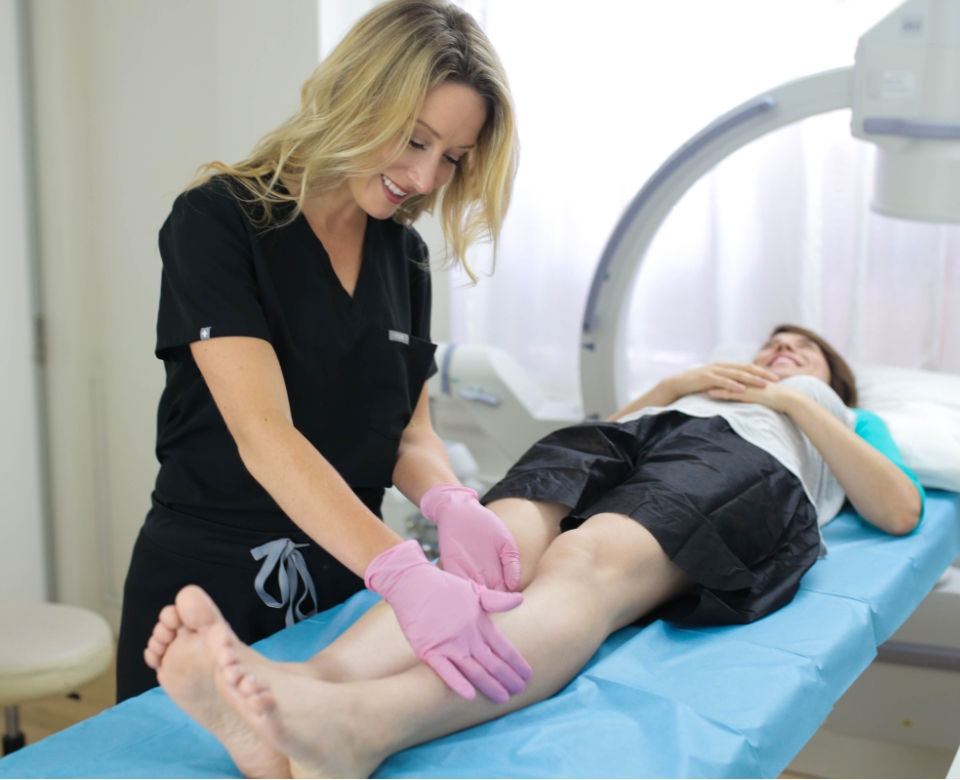
Vein problems are more common than most people realize, affecting millions worldwide. Issues like varicose veins, spider veins, and deep vein thrombosis (DVT) are not only cosmetic concerns but can also lead to serious health complications. When dealing with these issues, it's important to consult a healthcare professional who specializes in vein conditions. But what kind of doctor treats veins, and what is a vein specialist called? In this article, we explore the answers to these questions and delve into the benefits of consulting a vein specialist for vein issues.
What Is a Vein Specialist Called?
A What is a Vein Specialist Called is commonly referred to as a phlebologist. Phlebologists are medical doctors who focus specifically on diagnosing and treating venous diseases and conditions. They are well-versed in the anatomy of veins, the circulatory system, and the pathophysiology of vein-related problems. The term "phlebology" comes from the Greek word "phlebos," meaning veins. A phlebologist has extensive training and knowledge of various vein treatments, including both minimally invasive and surgical procedures.
Phlebologists may come from various medical backgrounds such as dermatology, vascular surgery, or interventional radiology. They undergo specialized training to acquire expertise in vein treatments. Besides phlebologists, there are other doctors who may treat vein problems. For example, vascular surgeons and interventional radiologists also play a significant role in managing vein conditions. While phlebologists focus primarily on veins, vascular surgeons are equipped to handle both veins and arteries. Interventional radiologists, on the other hand, use imaging techniques to treat veins without invasive surgery.
What Kind of Doctor Treats Veins?
When it comes to treating veins, the choice of doctor largely depends on the severity and type of the vein problem. Here are some types of doctors who treat veins:
1. Phlebologists: As mentioned earlier, phlebologists specialize in vein diseases and are trained in non-surgical and minimally invasive treatments for varicose veins, spider veins, and other venous disorders.
2. Vascular Surgeons: These are specialists in the entire vascular system, which includes both veins and arteries. Vascular surgeons can provide surgical interventions when necessary, such as vein stripping or bypass surgery for severe cases.
3. Interventional Radiologists: These doctors use imaging techniques like ultrasound or X-ray to guide minimally invasive procedures to treat vein problems. They often perform procedures such as sclerotherapy, laser therapy, and endovenous ablation.
4. Dermatologists: Some dermatologists may offer treatments for superficial vein problems like spider veins. However, for more complex issues, a referral to a phlebologist or vascular surgeon is usually recommended.
5. Cardiologists: In cases where vein problems are associated with cardiovascular diseases, a cardiologist may be involved in managing the overall condition but may not directly treat vein-specific issues.
Why Should You Consult a Vein Specialist?
There are several advantages to consulting a vein specialist rather than a general practitioner when you have vein-related concerns. Here's why seeking the help of a specialist is beneficial:
1. Expert Diagnosis and Treatment: Vein specialists are highly trained to recognize the various symptoms and underlying causes of vein problems. They have a deep understanding of the anatomy and function of veins and can provide an accurate diagnosis. A general practitioner may miss some of the subtle signs of venous insufficiency, leading to inadequate treatment.
2. Advanced Treatment Options: Vein specialists are equipped with the latest technology and treatment methods, such as endovenous laser therapy (EVLT), sclerotherapy, and radiofrequency ablation. These minimally invasive techniques are effective and have shorter recovery times compared to traditional surgery.
3. Customized Care Plans: A vein specialist can develop a personalized treatment plan based on the individual patient's condition, lifestyle, and medical history. This targeted approach ensures that the treatment is both effective and suitable for the patient.
4. Better Long-Term Outcomes: Consulting a vein specialist can lead to better long-term results. Proper treatment can prevent the recurrence of vein problems and reduce the risk of complications like ulcers, bleeding, or deep vein thrombosis (DVT).
What Are Common Vein Problems That Require a Specialist?
Vein problems range from cosmetic concerns to serious medical conditions. Here are some of the most common vein issues that may require consultation with a vein specialist:
1. Varicose Veins: These are enlarged, twisted veins that often appear blue or dark purple and are commonly found in the legs. They can cause pain, swelling, and discomfort. In severe cases, varicose veins may lead to skin ulcers or blood clots.
2. Spider Veins: These are small, red, purple, or blue veins that appear close to the surface of the skin. While they are mostly a cosmetic issue, they can sometimes indicate underlying venous insufficiency.
3. Chronic Venous Insufficiency (CVI): CVI occurs when the veins in the legs fail to return blood properly to the heart, leading to symptoms such as swelling, aching, and skin changes. A specialist can provide effective management to prevent complications.
4. Deep Vein Thrombosis (DVT): DVT is a serious condition where a blood clot forms in a deep vein, usually in the legs. If left untreated, it can lead to life-threatening complications like a pulmonary embolism. A vein specialist can provide critical intervention to manage and prevent DVT.
5. Leg Ulcers: Poor circulation and venous insufficiency can lead to non-healing wounds or ulcers on the legs. A vein specialist can treat the underlying vein problem to promote healing and prevent recurrence.
What Are the Advanced Treatment Options Available for Vein Problems?
A vein specialist can offer a range of advanced treatments tailored to the specific needs of the patient. Some of the most common treatments include:
1. Sclerotherapy: This is a minimally invasive procedure where a solution is injected into the affected vein, causing it to collapse and eventually fade away. Sclerotherapy is highly effective for treating spider veins and smaller varicose veins.
2. Endovenous Laser Therapy (EVLT): EVLT uses laser energy to close off a damaged vein. The procedure is performed under local anesthesia and requires minimal downtime, making it a popular choice for treating varicose veins.
3. Radiofrequency Ablation (RFA): Similar to EVLT, RFA uses radiofrequency energy to heat and seal the affected vein. It is another minimally invasive option with a high success rate for treating varicose veins.
4. Ambulatory Phlebectomy: This is a surgical procedure where small incisions are made to remove varicose veins close to the surface of the skin. It is performed under local anesthesia and is typically used for larger varicose veins.
5. Compression Therapy: Compression stockings are often recommended to improve blood flow and reduce symptoms like swelling and pain. While not a permanent solution, compression therapy is a useful adjunct to other treatments.
6. Vein Stripping and Ligation: In severe cases, where non-invasive treatments are ineffective, vein stripping and ligation may be performed. This surgical procedure involves removing or tying off a problematic vein.
How Do You Choose the Right Vein Specialist?
Choosing the right vein specialist is crucial for successful treatment. Here are some tips for selecting the best doctor for your vein concerns:
1. Check Qualifications and Credentials: Ensure that the specialist is board-certified in phlebology, vascular surgery, or interventional radiology and has specific training in treating vein diseases.
2. Look for Experience: A specialist with years of experience treating vein conditions will likely provide better care. Ask about the number of procedures they have performed and their success rates.
3. Ask About Treatment Options: A good vein specialist should be well-versed in various treatment modalities and offer a range of options tailored to the patient's needs.
4. Read Patient Reviews: Reviews from previous patients can provide valuable insight into the doctor's expertise, bedside manner, and the overall experience.
5. Consider Accessibility and Convenience: Choose a vein specialist whose office is conveniently located and offers flexible appointment scheduling.
Conclusion
Understanding what kind of doctor treats veins and what a vein specialist is called is the first step towards addressing vein-related issues effectively. Consulting a vein specialist, whether it's a phlebologist, vascular surgeon, or interventional radiologist, offers numerous advantages, from expert diagnosis and advanced treatment options to better long-term outcomes. With the right specialist, patients can achieve relief from symptoms, improve their vein health, and enhance their quality of life.


Comments