


What Advantages Do Vein Doctors Offer for Effective Treatment?
- Freddy Decker
- Nov 28, 2024
- 4 min read

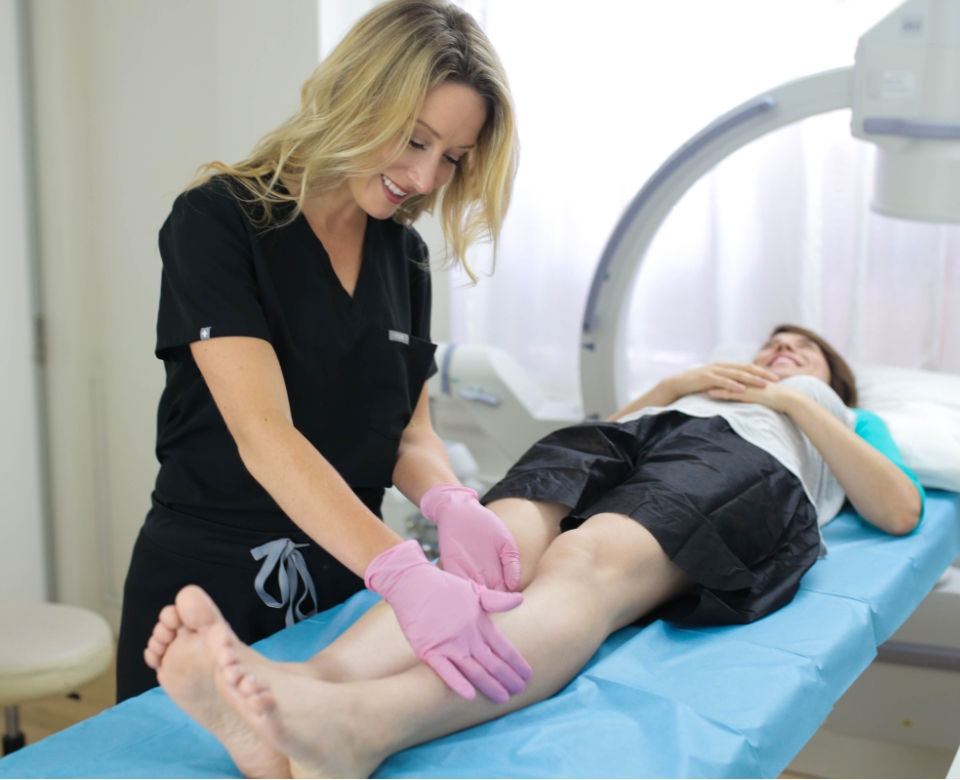
Vein health is an essential aspect of overall well-being, yet it is often overlooked until issues like varicose veins or spider veins become prominent. Seeking the right specialist is key to addressing these concerns effectively. If you’re wondering what is a vein doctor called or looking for “vein treatment near me,” this article will provide valuable insights into how vein doctors, also known as phlebologists or vascular specialists, play a pivotal role in treating vein-related conditions.
What Is a Vein Doctor Called?
A vein doctor is formally referred to as a phlebologist or a vascular specialist. These professionals are medical doctors with expertise in diagnosing and treating conditions related to the veins. While a phlebologist focuses specifically on venous disorders, vascular surgeons specialize in a broader spectrum of vascular issues, including arteries and lymphatic systems.
Phlebologists treat conditions such as:
Varicose veins
Spider veins
Deep vein thrombosis (DVT)
Venous insufficiency
With advancements in medical technology, many vein doctors now utilize minimally invasive procedures to provide faster, more comfortable, and effective treatments.
The Advantages of Consulting a Vein Specialist
1. Expertise in Vein Health
Vein specialists have extensive training and experience in understanding the intricacies of venous diseases. Their knowledge helps them diagnose problems accurately and recommend the most suitable treatments. If you search for “vein treatment near me,” you’re likely to find clinics run by certified vein doctors who are equipped to handle even complex cases.
2. Personalized Treatment Plans
One of the key advantages of seeing a vein doctor is the personalized care they offer. These specialists conduct thorough evaluations, including ultrasound imaging, to understand your condition's root cause. Based on their findings, they create a treatment plan tailored to your needs, ensuring better outcomes.
3. Minimally Invasive Procedures
Modern vein treatments are a far cry from the invasive surgeries of the past. Vein doctors now use minimally invasive techniques like sclerotherapy, laser therapy, and radiofrequency ablation to treat problematic veins effectively. These methods are:
Quick
Painless or minimally painful
Require little to no downtime
For instance, sclerotherapy involves injecting a solution into the affected vein to collapse it, redirecting blood flow to healthier veins.
4. Aesthetic and Health Benefits
Treating vein issues is not just about improving appearance but also enhancing overall health. Varicose and spider veins can cause discomfort, swelling, and even serious complications like ulcers or blood clots if left untreated. A vein doctor addresses both the cosmetic and medical aspects of these conditions, ensuring holistic care.
How to Find the Right Vein Treatment Near Me
1. Research Local Specialists
Start by searching for vein clinics or specialists in your area. Keywords like “vein treatment near me” can help you find well-rated and reputable providers nearby. Look for board-certified phlebologists or vascular specialists with positive patient reviews.
2. Evaluate Their Credentials
Ensure the doctor is certified by recognized organizations such as the American Board of Venous & Lymphatic Medicine (ABVLM). Certification indicates that they have met stringent requirements and have specialized training in vein care.
3. Review Their Technology and Techniques
The best vein clinics use state-of-the-art equipment and offer minimally invasive treatments. Check if the specialist offers procedures like endovenous laser ablation (EVLA), sclerotherapy, or foam injections, as these are effective and widely used treatments.
4. Schedule a Consultation
Most vein clinics offer initial consultations to assess your condition. During this visit, you can discuss your symptoms, learn about the recommended treatment options, and evaluate the doctor’s approach and communication style.
Common Symptoms That Indicate the Need for a Vein Specialist
Vein problems can develop slowly, so it’s important to recognize the signs early. Consult a vein doctor if you experience:
Swollen or bulging veins, often blue or purple
Aching or heaviness in your legs, especially after standing for long periods
Itching, burning, or throbbing sensations around veins
Skin discoloration or ulcers near the ankles
Ignoring these symptoms can lead to more severe complications like chronic venous insufficiency.
What to Expect During Vein Treatment
Initial Diagnosis
Your visit begins with a thorough evaluation of your medical history and a physical examination. Vein doctors often use ultrasound technology to visualize the affected veins and assess blood flow.
Treatment Options
Depending on the severity of your condition, the doctor may recommend treatments such as:
Sclerotherapy: Best for spider veins and smaller varicose veins.
Endovenous Laser Ablation: Uses laser energy to seal larger veins.
Radiofrequency Ablation: Similar to laser therapy but employs radiofrequency energy.
Post-Treatment Care
Most minimally invasive treatments require minimal recovery time. You may be advised to wear compression stockings or avoid strenuous activities for a few days to ensure optimal healing.
The Bottom Line
When vein issues arise, consulting a qualified vein doctor is the best way to address both aesthetic and medical concerns. By seeking “vein treatment near me,” you can connect with skilled specialists who utilize cutting-edge techniques to restore your vein health and confidence.
Understanding what is a vein doctor called and the advantages they offer empowers you to take proactive steps in maintaining your vascular health. Don’t delay—reach out to a local vein specialist today and take the first step towards healthier, pain-free legs.


Comments