


How does a vein clinic diagnose and treat venous conditions?
- Freddy Decker
- Dec 19, 2023
- 2 min read

Venous conditions can cast a shadow on one's health and daily life. Varicose veins, spider veins, and other venous disorders not only affect aesthetics but can also lead to discomfort and health complications if left untreated. Understanding the role of a vein clinic in diagnosing and treating these conditions is essential for informed decision-making regarding their removal.
Vein clinics stand as specialized centers dedicated to the comprehensive evaluation, diagnosis, and treatment of various venous conditions. Their expertise lies in employing state-of-the-art diagnostic tools and personalized treatment approaches aimed at addressing individual patient needs.
Diagnosis at a Vein Clinic:
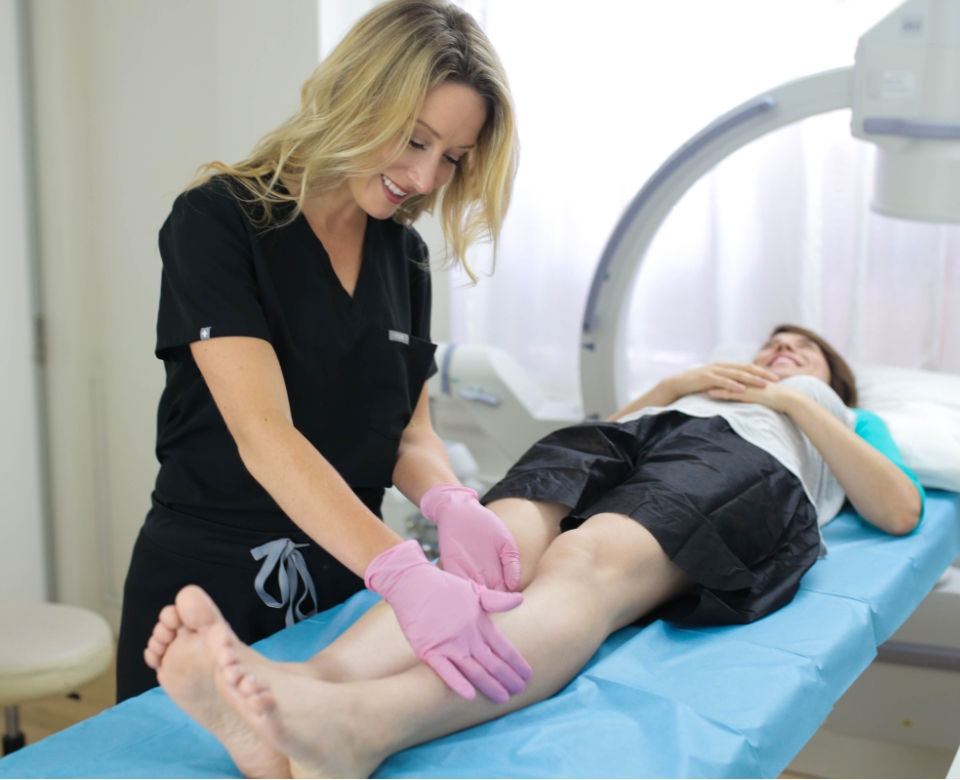
The journey toward effective treatment commences with a thorough diagnosis. what does a vein clinic do utilize a range of diagnostic procedures to assess the extent and nature of venous conditions. Among these diagnostic methods are:
Ultrasound Imaging:
A cornerstone in diagnosing venous issues, ultrasound imaging allows clinicians to visualize blood flow, detect abnormalities in veins, and precisely locate affected areas.
Physical Examination and Medical History:
A holistic approach involving a comprehensive physical examination and detailed medical history assessment helps clinicians understand individual patient concerns and tailor treatment plans accordingly.
Venous Function Tests:
These tests evaluate the functionality of veins, identifying any underlying issues contributing to venous insufficiency or other conditions.
Treatment Modalities:
Vein clinics offer a spectrum of treatment options tailored to the specific condition, severity, and patient preferences. Some common treatments include:
Sclerotherapy:
Primarily used for spider veins and smaller varicose veins, this procedure involves injecting a solution into the affected vein, causing it to collapse and eventually fade.
Endovenous Ablation:
A minimally invasive technique targeting larger varicose veins, where heat or laser energy is applied to seal the affected vein, rerouting blood flow to healthier veins.
Phlebectomy:
A surgical procedure involving the removal of varicose veins through tiny incisions, often used for larger, bulging veins.
Compression Therapy:
Utilizing compression stockings or bandages to improve blood circulation and alleviate symptoms associated with venous conditions.
Is Varicose Vein Removal Worth It?
The decision to undergo varicose vein removal involves various factors. While some may seek treatment for cosmetic reasons, others prioritize the relief of discomfort or prevention of potential complications.
Varicose vein removal often brings notable benefits, such as:
Improved Aesthetics:
Removal of varicose veins can enhance the appearance of legs, boosting self-confidence and quality of life.
Symptom Alleviation:
Treatment can relieve symptoms like pain, swelling, itching, and leg fatigue associated with venous conditions, improving overall comfort.
Prevention of Complications:
Addressing varicose veins early on can reduce the risk of complications such as blood clots, skin ulcers, or bleeding.


Comments